The Life Cycle of a Modular Vault: A Smart Investment for Government Facilities
December 10, 2025
Vault Coordination 101: Electrical, HVAC, and Penetrations Done Right
February 23, 2026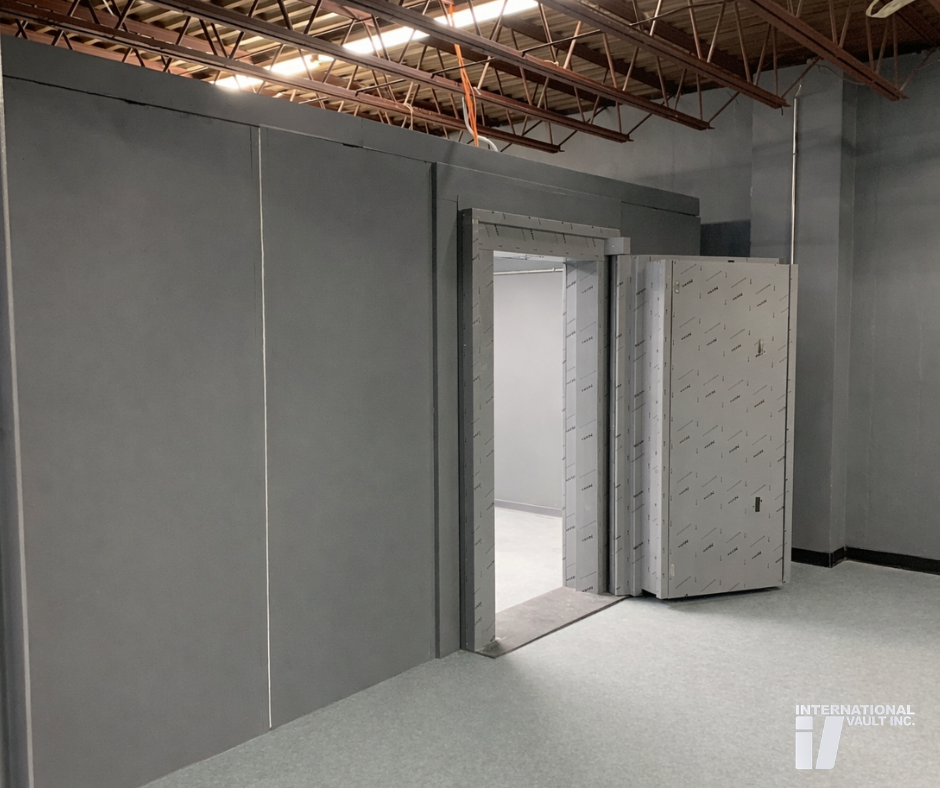
What Is Delegated Design for Vault Systems—and Why It Matters
In secure construction projects, especially those involving government facilities, military installations, and high-security environments, delegated design is not just a delivery method. It is a critical risk-management tool.
When misunderstood or poorly executed, delegated design can lead to rejected submittals, inspection failures, schedule delays, and costly redesigns. When done correctly—by partnering with an experienced vault manufacturer—it streamlines approvals, ensures compliance, and protects mission-critical timelines.
Understanding what delegated design means for vault systems—and why choosing the right manufacturer matters can make the difference between a smooth installation and a project setback measured in months and dollars.
What Is Delegated Design?
Delegated design is a construction approach in which the architect or engineer of record defines performance requirements, then assigns responsibility for detailed system engineering to a qualified specialty manufacturer.
For vault systems, this typically means:
- The design team establishes performance criteria
Security classification, threat level, operational requirements, and governing standards. - The vault manufacturer provides engineered solutions
Structural calculations, panel and door engineering, anchorage design, and detailed shop drawings. - All delegated elements are reviewed and approved
By the architect or engineer of record prior to fabrication and installation.
Delegated design does not transfer overall responsibility away from the design team. Instead, it ensures that highly specialized systems—like vaults—are engineered by experts who design, manufacture, and install them every day.
Why Vault Systems Require Delegated Design
Vault systems are not conventional building assemblies. They are precision-engineered security infrastructures governed by federal standards and tested performance criteria.
Delegated design is essential because vault systems involve:
Certified Security Assemblies
- GSA-approved and UL-rated systems meeting Class 5 or UL requirements
- Resistance to forced entry, covert attack, torch, and ballistic threats
- Wall thicknesses, reinforcement patterns, and material specifications that vary by classification
Specialized Vault Doors
- Class 5 doors (20 man-hours covert / 10 forced entry)
- UL doors (30 man-hours covert / 20 forced entry)
- Precise frame integration, hardware coordination, and anchorage detailing
Significant Structural Loads
- Dead loads exceeding 200 psf for UL modular vault panels
- Seismic bracing per ASCE 7
- Load transfer into existing structures not originally designed for vault installations
Security-Rated Penetrations
- Electrical, HVAC, fire protection, and communications
- Penetrations must preserve the vault’s security rating
- Field modifications are not acceptable and often result in compliance failures
Integration With Security Systems
- Intrusion detection sensors
- Door position switches
- Access control, biometrics, and central monitoring coordination
Attempting to fully design a vault system without manufacturer involvement often results in incorrect assumptions, incomplete details, or assemblies that fail inspection.
What International Vault Brings to Delegated Design
With over 40 years of experience, International Vault has delivered delegated vault design solutions for federal agencies, military installations, and high-security commercial facilities nationwide.
Our process includes:
- In-house structural engineering
Licensed professional engineers in all 50 states with vault-specific expertise. - Certified product systems
Modular vault panels meeting Federal Specification AA-V-2737 and vault doors certified to UL 608 standards. - Factory-controlled manufacturing
Rigorous quality control ensures every panel and door meets specification before shipment—reducing field coordination issues. - Nationwide installation capability
Factory-trained crews experienced in vault tolerances measured in fractions of an inch.
Delegated design is not an afterthought—it is built into our process from day one.
What Is Typically Delegated in a Vault System
While requirements vary by facility and classification, delegated design commonly includes:
Structural Engineering
- Panel thickness and reinforcement (Class 5 vs. UL)
- Anchorage and load transfer
- Seismic and lateral load compliance
- Floor loading analysis for existing buildings
Vault Door Assemblies
- Door size, swing, and operational clearance
- Frame integration
- Locking hardware, time delays, and redundant locking
- Access control and monitoring interfaces
Panel Connections
- Structural fastening methods
- Seam continuity and reinforcement
- Elimination of weak points at joints
Penetrations
- Engineered sleeves for electrical and data
- Security-rated HVAC transitions
- Fire suppression and detection integration
Compliance Documentation
- GSA and UL certifications
- PE-stamped calculations
- Installation sequencing and torque requirements
- Operations and maintenance manuals
Why Delegated Design Matters for Government Projects
1. Ensures Federal Compliance
Vault systems must comply with ISC standards, DFARS requirements, and agency-specific protocols. Proper delegated design reduces inspection failures and activation delays.
2. Eliminates Design Gaps
Manufacturer-engineered systems prevent conflicts between architectural, structural, and MEP disciplines—issues that are costly to resolve in the field.
3. Protects the Project Schedule
Complete, coordinated submittals reduce review cycles and accelerate fabrication and installation.
4. Reduces Risk for General Contractors
Single-source responsibility minimizes RFIs and coordination disputes while simplifying accountability.
5. Supports Long-Term Performance
Delegated design ensures the vault remains serviceable, maintainable, and certifiable throughout its operational life.
Common Delegated Design Mistakes to Avoid
- Vague specifications without operational context
- Late manufacturer involvement
- Uncoordinated penetrations added in the field
- Approving shop drawings without reviewing calculations
- Treating vaults as interchangeable or “standard” components
International Vault strongly recommends manufacturer involvement during schematic design, not after CDs are issued.
Best Practices for Successful Vault Delegated Design
- Engage the vault manufacturer early
- Clearly define performance requirements
- Identify delegated responsibilities in contract documents
- Allow adequate review time
- Coordinate all penetrations and security systems upfront
- Plan installation logistics for heavy doors and panels
These steps dramatically reduce project risk.
Why Choose International Vault
International Vault delivers end-to-end accountability for secure vault systems:
- Class 5 through UL modular vaults
- In-house nationwide engineering
- GSA-approved and UL-listed products
- Factory-direct manufacturing
- Nationwide installation crews
- Ongoing maintenance and recertification support
For vault systems, delegated design is not optional—it’s essential.
And the manufacturer you choose makes all the difference.
Conclusion
Delegated design ensures vault systems are engineered, documented, and installed correctly—meeting both performance expectations and regulatory requirements. In government and high-security environments, this approach protects schedules, budgets, and mission-critical operations.
Understanding delegated design—and partnering with the right manufacturer—makes the difference between a smooth vault installation and a costly construction challenge.
International Vault is that partner. Contact us today to discuss your project requirements and discover why leading government agencies and contractors trust us for their most critical security infrastructure.
Ready to get started? Contact International Vault’s engineering team to discuss your project requirements and learn how our delegated design process can reduce risk and streamline your vault installation.