The Future of Secure Storage
August 28, 2026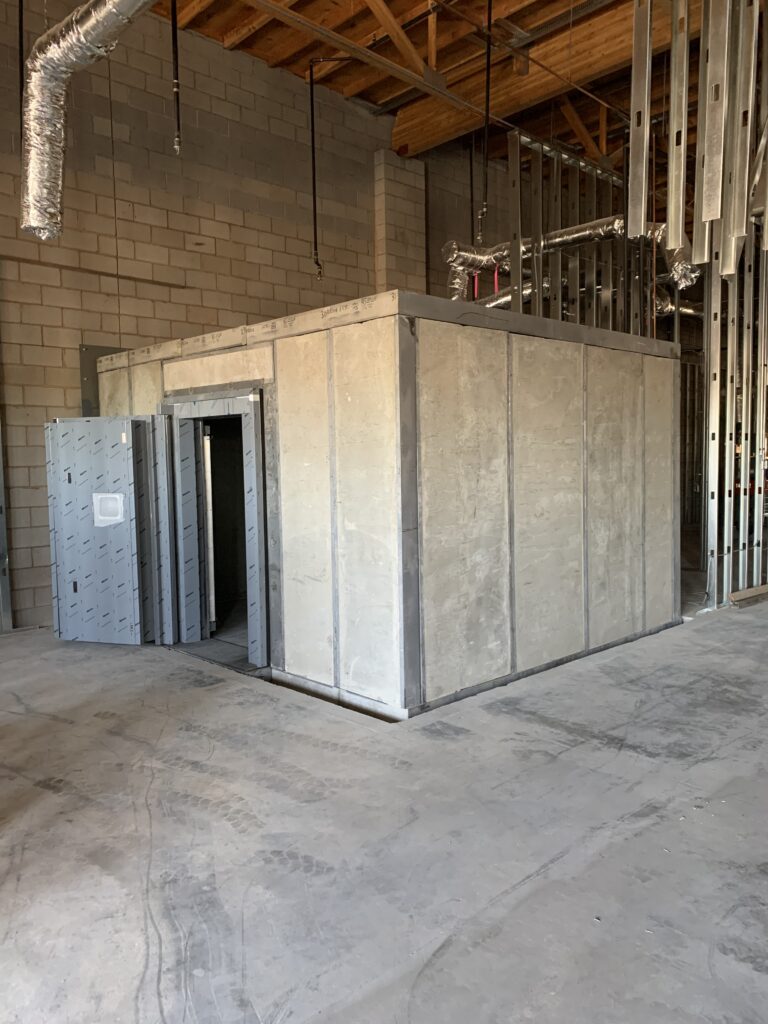
What Happens When Security Is an Afterthought in Building Design?
When planning a new commercial building, government facility, or high-security space, there are countless details to consider. From structural requirements and mechanical systems to budgets and construction schedules, every decision plays a role in the project’s success.
However, one critical element is sometimes overlooked until later in the process: physical security.
Secure storage rooms, vault systems, and high-security doors are not always components that can be added without affecting the surrounding structure. When security requirements are introduced late in the design or construction process, the consequences can extend far beyond the cost of the security equipment itself.
At International Vault, we understand the importance of incorporating security into the earliest stages of facility planning. By addressing these requirements upfront, project teams can avoid unnecessary complications and create secure environments designed for long-term performance.
The Hidden Costs of Delayed Security Planning
One of the biggest misconceptions in commercial construction is that security features can easily be incorporated after the building design has been finalized.
While some security upgrades can be made to existing facilities, high-security vault systems often require additional planning.
Introducing a vault late in the project can create challenges involving:
- Structural modifications: Reinforced vault walls, ceilings, and doors may introduce additional loads that must be evaluated by the project’s structural engineer.
- Space limitations: Available floor space, ceiling heights, and access points may restrict vault configurations.
- Mechanical and electrical coordination: Ventilation, lighting, fire protection, and other building systems may need to be adjusted.
- Construction delays: Changes to an established design can affect multiple trades and project milestones.
- Unexpected expenses: Redesign, additional materials, and labor can increase overall project costs.
What may initially seem like a straightforward security addition can quickly become a much larger construction challenge.
Why Vault Systems Should Be Considered Early
Unlike standard interior partitions, high-security vault systems have specific design, installation, and operational requirements.
The location of a vault can influence the building’s structural design, floor loading, accessibility, and overall layout.
For example, installing a precast concrete vault may require evaluating the supporting slab or foundation, available equipment access, and the sequence in which vault components will be delivered and installed.
Similarly, vault doors require careful consideration of opening dimensions, door swing, clearances, and the surrounding structure.
By identifying these requirements during the initial design phase, architects and contractors can coordinate the necessary details before construction begins.
Early planning allows security to become part of the building’s design rather than a complication added later.
Structural Considerations That Cannot Be Overlooked
One of the most important factors in vault planning is structural compatibility.
Depending on the vault system selected, the building may need to accommodate substantial loads from reinforced walls, ceiling panels, and high-security doors.
These requirements can influence:
- Foundation and floor slab design
- Structural load calculations
- Ceiling heights and overhead clearances
- Equipment access and installation routes
- Connections between the vault and surrounding building structure
When these considerations are addressed early, the project team has greater flexibility to select a vault system that meets both security requirements and building constraints.
Waiting until construction is underway can limit available options and introduce additional engineering challenges.
Coordinating Security With Other Building Systems
A secure vault is more than reinforced walls and a heavy-duty door.
Depending on the application, the space may also require lighting, ventilation, fire protection, access control, alarm systems, and other building services.
These systems must be coordinated carefully to maintain the intended level of physical security.
For example, mechanical or electrical penetrations through vault walls may require special detailing to avoid compromising the protective enclosure.
Access control systems may also need to be integrated with vault door hardware and the facility’s broader security infrastructure.
When security requirements are established early, architects, engineers, and security professionals can work together to develop a coordinated design.
This helps minimize conflicts between building systems and reduces the likelihood of costly changes during installation.
The Impact on Construction Schedules
Construction projects rely on careful coordination between trades, suppliers, and installation teams.
Introducing a vault system after major construction activities have already been scheduled can create logistical challenges.
Large precast components and high-security vault doors may require specialized handling equipment, adequate delivery access, and sufficient room for installation.
If surrounding walls, ceilings, or other building elements are completed before the vault is installed, access may become restricted.
This can lead to additional labor, scheduling adjustments, or modifications to completed work.
Planning the vault installation early allows contractors to establish a sequence that supports efficient material delivery, equipment access, and coordination with other trades.
How Modular Vault Systems Can Help
Although early planning is always preferred, modular vault systems can provide valuable flexibility for projects with evolving security requirements.
Unlike traditional cast-in-place construction, modular vault systems are manufactured as engineered components and assembled on-site.
Depending on the project, this approach can offer several advantages:
- Reduced on-site construction activities
- More predictable installation scheduling
- Adaptability to certain existing building configurations
- Potential for future expansion or relocation
- Improved coordination between manufacturing and site preparation
For renovations or facilities with limited construction windows, modular vault systems may provide a practical alternative to conventional vault construction.
However, modular construction does not eliminate the need for structural engineering, installation access, or coordination with building systems.
Working with an experienced vault manufacturer early in the process helps determine which solution is best suited to the project’s requirements.
Security Planning for Government and Commercial Facilities
Different facilities have different security priorities.
Government agencies may require secure spaces for classified materials, sensitive records, or controlled equipment. Financial institutions may need vault systems designed to protect cash and valuable assets. Commercial facilities may require secure storage for pharmaceuticals, inventory, or other high-value materials.
Each application brings its own operational, security, and compliance considerations.
A successful vault design must account for more than the materials being protected. It must also consider how the space will be accessed, maintained, and used throughout its service life.
By involving security professionals during the planning process, project teams can better align the facility’s physical security infrastructure with its intended operations.
The Value of Working With a Vault Manufacturer Early
Early collaboration between architects, contractors, and vault manufacturers can make a significant difference in the success of a high-security project.
An experienced manufacturer can assist with:
- Evaluating vault system options
- Reviewing preliminary layouts
- Identifying structural and installation considerations
- Coordinating vault door specifications
- Providing technical information for design teams
- Supporting project scheduling and installation planning
These conversations can help identify potential challenges before they become expensive construction problems.
At International Vault, we work with project teams to help integrate secure vault systems into both new construction and renovation projects.
Our experience with modular vaults, precast concrete vault systems, and high-security vault doors allows us to support a wide range of facility requirements.
Building Security Into the Plan, Not Around It
Physical security should never be treated as an isolated feature of a building.
The most effective secure facilities are designed with protection, functionality, and long-term performance working together from the beginning.
When vault requirements are considered early, project teams can make informed decisions about construction methods, structural requirements, equipment access, and security integration.
This proactive approach can reduce unnecessary design changes, improve construction coordination, and help ensure the finished facility meets its intended security objectives.
Security is most effective when it is part of the original plan—not an afterthought.
Plan Your Secure Facility With International Vault
Whether you’re designing a new government facility, renovating a financial institution, or incorporating secure storage into a commercial project, early coordination can help prevent costly challenges down the road.
International Vault provides modular vault systems, precast concrete vaults, and high-security vault doors designed to support demanding security applications.
Our team works with architects, general contractors, facility managers, and security professionals to help identify the right vault solution for each project.
Don’t wait until construction is underway to address your facility’s security requirements.
Contact International Vault today to discuss your upcoming project and learn how early vault planning can help support a more efficient construction process.
Visit InternationalVault.com to learn more about our vault systems and security solutions.