Preparing for a GSA Inspection: Vault & Secure Storage Readiness Checklist
March 10, 2026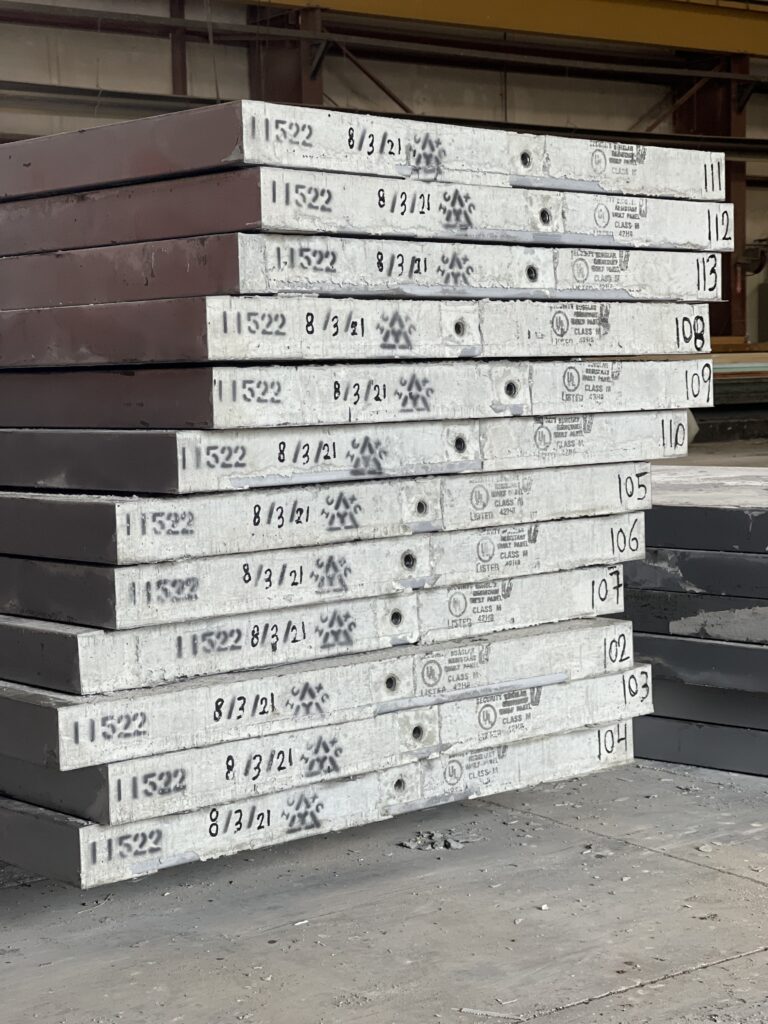
Precast vs. Cast-in-Place Vaults: Which Is the Better Choice for Secure Facilities?
When planning a secure facility, one decision can significantly impact your project timeline, budget, and long-term flexibility:
Should you use a precast (modular) vault or a cast-in-place vault?
While both methods can meet security requirements, they differ greatly in how they are built, how they perform, and how they affect your project from design through installation.
Understanding these differences early can help avoid delays, reduce risk, and ensure your vault system aligns with your project goals.
What Is a Cast-in-Place Vault?
Cast-in-place vaults are constructed directly on-site by forming and pouring reinforced concrete walls, ceilings, and floors. Once cured, the vault becomes a permanent part of the building structure.
These systems have been used for decades and are often specified in traditional construction projects.
What Is a Precast (Modular) Vault?
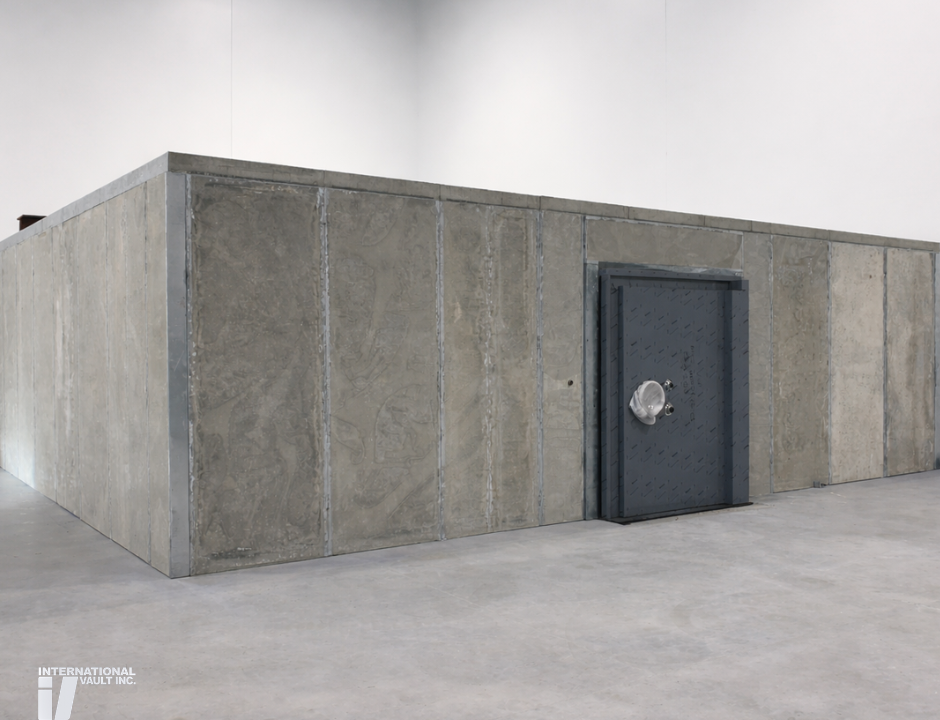
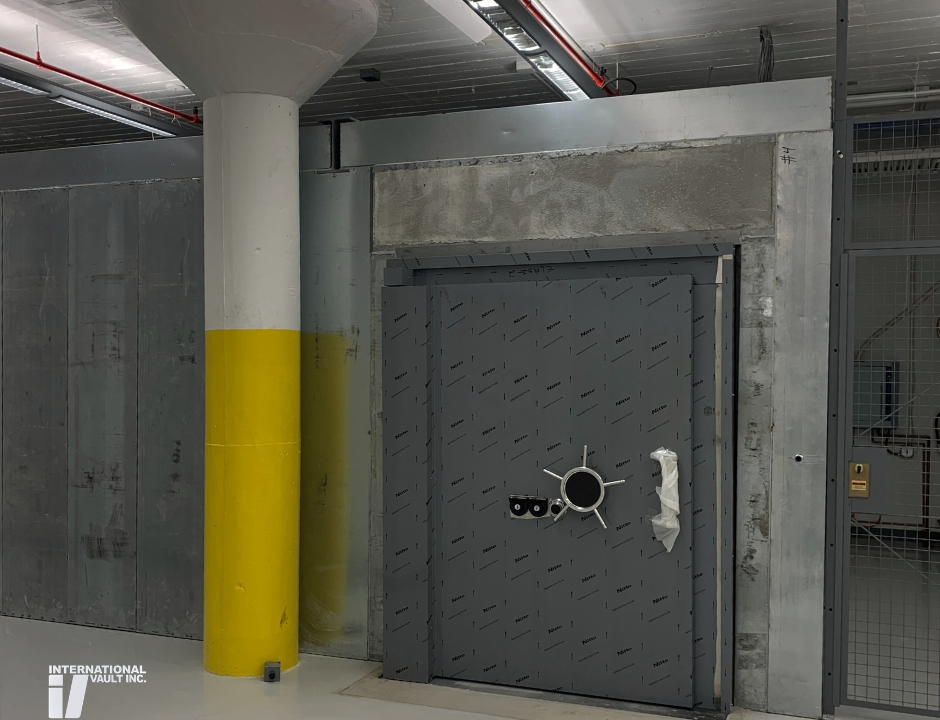
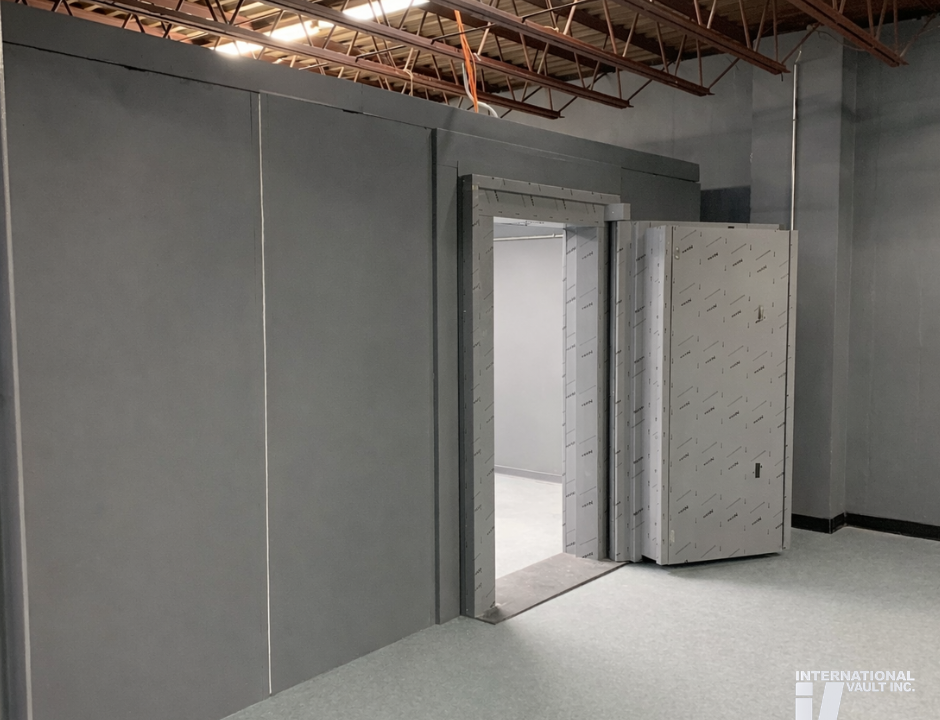
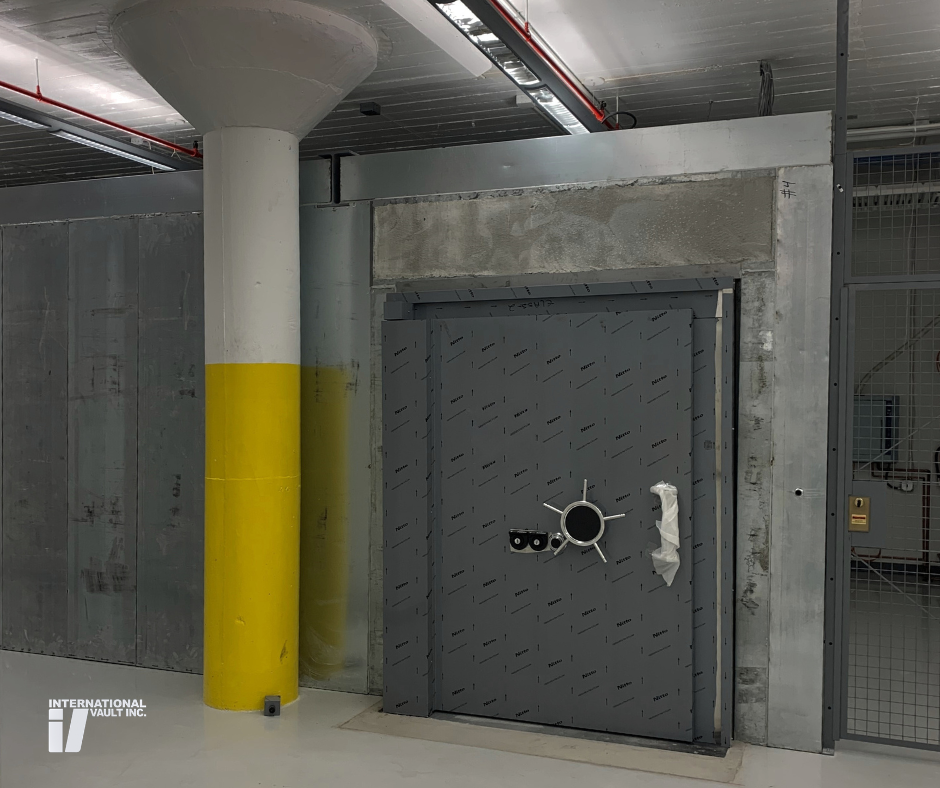
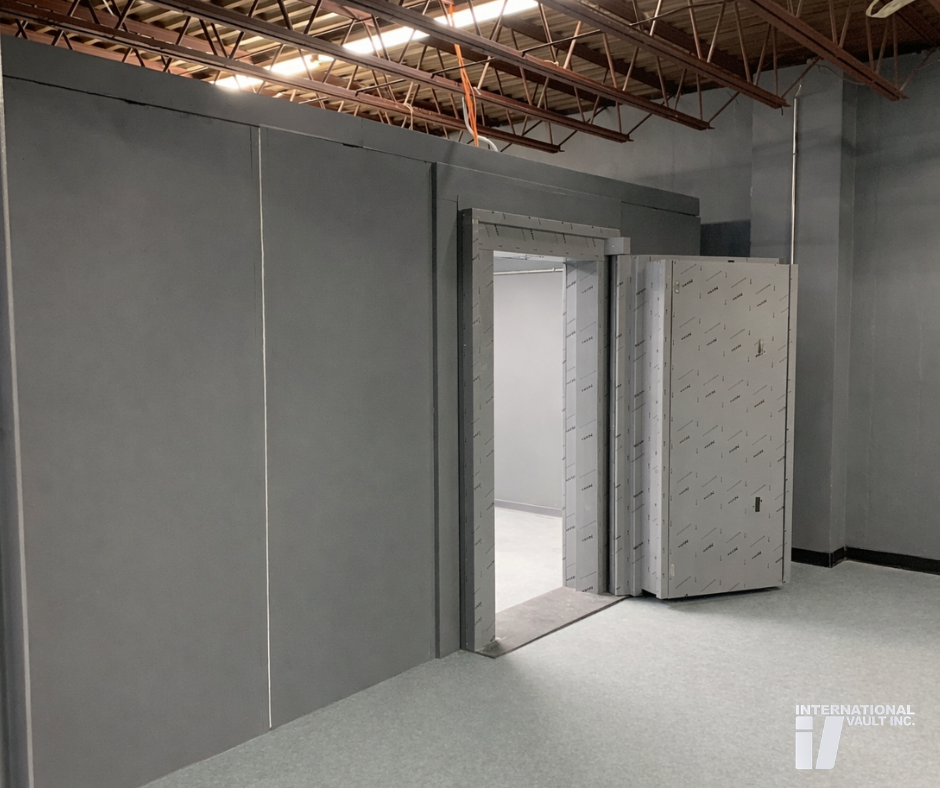
Precast vaults, also known as modular vault systems, are manufactured off-site in a controlled environment and delivered as engineered panels that are assembled on location.
This approach allows for greater consistency, faster installation, and increased flexibility compared to traditional construction methods.
👉 Learn more about our modular vault systems:
https://internationalvault.com/modular-vaults/
Precast vs Cast-in-Place Vaults at a Glance
| Feature | Precast (Modular) Vault | Cast-in-Place Vault |
| Installation Time | Days | Weeks |
| Quality Control | Factory-controlled | Field-dependent |
| Flexibility | Relocatable & expandable | Permanent |
| Coordination | Pre-engineered | Field-coordinated |
| Risk of Delays | Low | Higher |
| Long-Term Value | High | Limited |
Installation Time: Speed vs. Schedule Risk
One of the most significant differences between these methods is how they impact your project schedule.
Cast-in-place vaults require forming, pouring, curing, and inspection, all of which are dependent on site conditions and weather. This process can take several weeks and may introduce delays.
Precast vault systems, on the other hand, arrive ready for installation. With no curing time required, installation can often be completed in just a few days, keeping projects on track and reducing labor demands.
Quality Control: Field Conditions vs. Factory Precision
With cast-in-place construction, quality depends heavily on field conditions, including weather, material consistency, and workmanship.
Precast vault systems are manufactured in a controlled environment, allowing for:
- Consistent material quality
- Precise engineering tolerances
- Repeatable, tested construction methods
This results in a more reliable and predictable end product.
Security and Compliance
Both construction methods can be designed to meet security requirements, but the level of consistency can vary.
Cast-in-place vaults rely heavily on proper field execution and inspection to achieve compliance.
Precast systems are engineered as complete assemblies, making it easier to achieve consistent performance and streamline documentation for inspections and approvals.
Flexibility and Future Adaptability
Cast-in-place vaults are permanent structures that cannot be relocated or easily modified.
Precast modular vault systems offer greater flexibility:
- Expandable configurations
- Ability to reconfigure layouts
- Potential for relocation if facility needs change
For organizations with evolving requirements, this flexibility can be a significant advantage.
Coordination with Building Systems
Vault construction must be coordinated with electrical, HVAC, fire protection, and security systems.
Cast-in-place vaults often require these elements to be addressed in the field, which can lead to coordination challenges.
Precast vault systems are typically engineered with these integrations in mind, helping reduce field modifications and improve installation efficiency.
👉 For more on this, see our guide on vault coordination best practices.
Cost Considerations: Looking Beyond Initial Construction
While both methods involve upfront costs, the total project impact extends beyond materials alone.
Cast-in-place vaults can introduce:
- Longer labor timelines
- Increased coordination complexity
- Greater risk of delays
Precast vault systems help reduce these risks by offering faster installation, predictable timelines, and improved efficiency throughout the construction process.
When This Decision Matters Most
Choosing between precast and cast-in-place vault construction is especially important if your project involves:
- Tight construction schedules
- Federal or high-security requirements
- Coordination between multiple trades
- Future expansion or relocation needs
Making the right decision early can help prevent delays and improve overall project outcomes.
Which Is the Better Choice for Most Projects?
While both methods can meet security requirements, precast modular vault systems are increasingly the preferred choice for modern construction.
Their ability to reduce installation time, improve quality control, and adapt to future needs makes them a more practical and efficient solution for most secure facility projects.
Cast-in-place vaults still have a place in certain applications, but for projects where schedule, consistency, and flexibility are priorities, modular systems provide a clear advantage.
Plan Your Vault System with Confidence
If you’re evaluating vault construction methods for an upcoming project, early coordination can make a significant difference.
👉 Talk with our team about your project requirements
👉 Get guidance on modular vault system design and layout
👉 Explore how precast vaults can improve your timeline and reduce risk
Contact International Vault today to get started.